







Do Sleep Masks Actually Improve Sleep? What the Research Says
We talk a lot about better sleep. Less scrolling. More winding down. Earlier nights.
But one of the simplest tools often gets overlooked. A soft sleep mask.
So… do sleep masks actually improve sleep? Or are they just a nice extra?
Let’s look at what the research says, and how it fits into real life.
Why Darkness Matters for Sleep
Your body runs on a circadian rhythm. It responds to light and dark.
When it gets dark, your brain releases melatonin. This is the hormone that tells your body it’s time to sleep.
Even small amounts of light can interfere with that process. Streetlights through curtains. Early summer sun in Geelong at 5.45am. A partner checking their phone. The tiny glow from a charger across the room.
Studies have shown that exposure to light during sleep can reduce sleep quality and suppress melatonin production. In contrast, darker environments are associated with deeper and more restorative sleep.
A sleep mask simply creates instant darkness. No renovations required.
What the Research Says About Sleep Masks
Clinical studies have found that blocking light during sleep can:
• Increase time spent in deep sleep
• Improve alertness the following day
• Support memory consolidation
• Reduce nighttime disturbances
In hospital settings and intensive care units, sleep masks have been used to help patients sleep better despite bright or inconsistent lighting.
If they can help in those environments, imagine what they can do in a normal bedroom.
While a sleep mask is not a cure-all for poor sleep, it is a low-effort, evidence-backed way to improve your sleep environment.
Who Benefits Most from a Sleep Mask?
A sleep mask can be especially helpful if you:
• Live in a bright urban area
• Go to bed before sunset in summer
• Wake easily with early morning light
• Travel across time zones
• Work shifts
• Share a room with someone on a different schedule
It is also ideal for light sleepers who struggle with subtle environmental changes.
Sometimes better sleep is not about doing more. It is about reducing stimulation.
Does Fabric Matter?
Absolutely.
An eye mask sits directly against delicate skin. Breathability and comfort make all the difference.
Natural fibres like linen, bamboo or silk allow airflow and feel gentle against the face. Synthetic fabrics can trap heat and feel sticky, particularly in warmer climates.
If you are wearing a sleep mask for seven or eight hours, softness matters.
The Ritual Side of It
Beyond the research, there is something else at play.
Pulling on a sleep mask becomes a signal. A small ritual that says, the day is done.
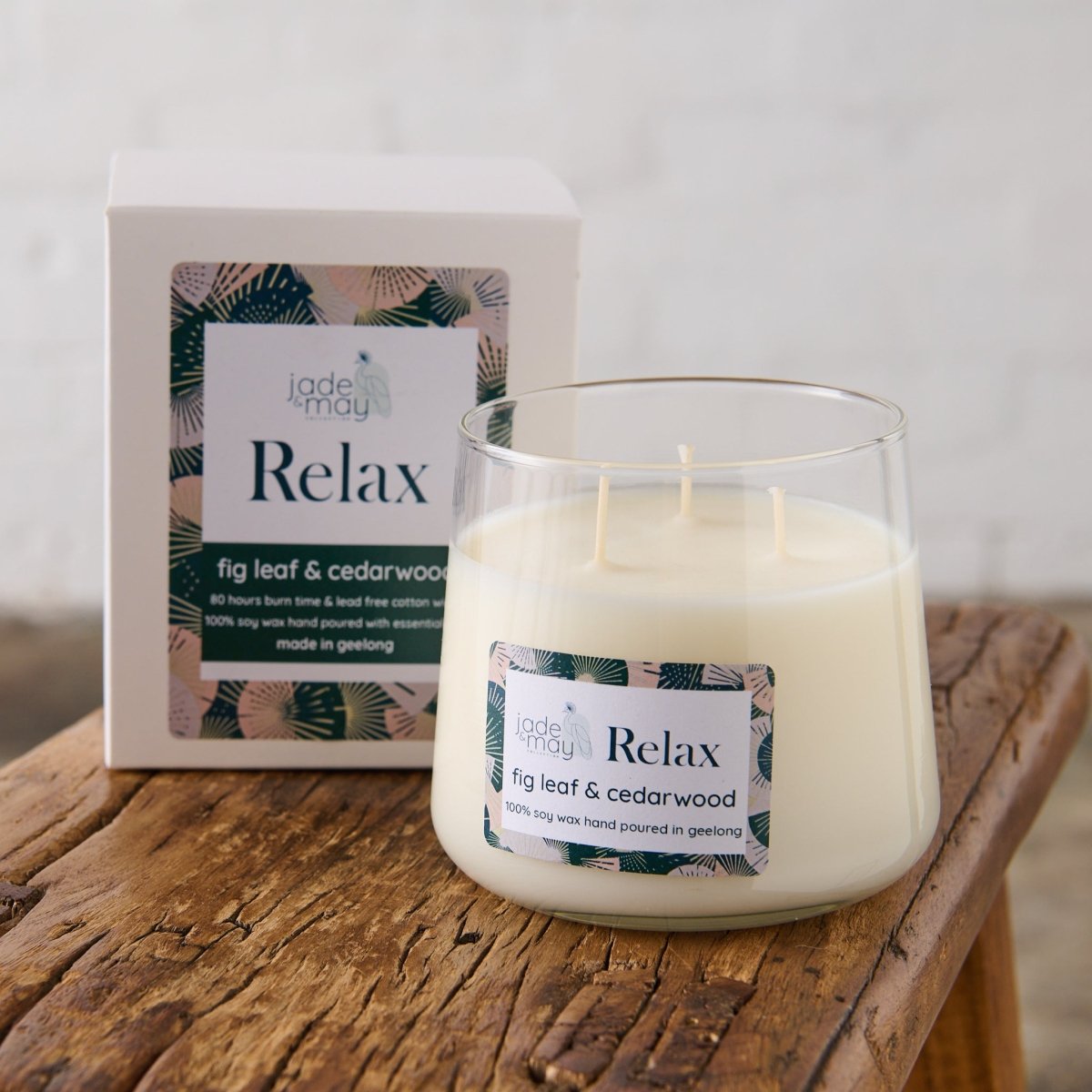
Pair it with bamboo pyjamas, a linen eye pillow, an essential oil candle and perhaps a cup of herbal tea. It is less about perfection and more about intention.
Better sleep often comes from consistency, not complexity.
So… Do Sleep Masks Actually Work?
Yes, for many people, they do.
They support melatonin production by blocking light. They can increase deep sleep. They reduce disturbances. And they are simple, affordable and easy to travel with.
They are not magic. But they are practical.
And sometimes that is exactly what we need
Frequently Asked Questions About Sleep Masks
Do sleep masks actually help you sleep?
Yes. Research shows that blocking light can support melatonin production and improve deep sleep quality.
Is there a difference between a sleep mask and an eye mask?
The terms are often used interchangeably. Both refer to a fabric mask worn over the eyes to block light during sleep.
Are sleep masks good for travel?
Absolutely. A sleep mask helps create darkness on flights, in hotel rooms or during daytime naps.
What is the best fabric for a sleep mask?
Breathable natural fibres such as linen, bamboo and silk are ideal for comfort and temperature regulation.


